Translate

Showing posts with label Venice. Show all posts

Saturday, February 8, 2020

The Real-Deal On Traveling To Venice

Venetian gondolas parallel parked in a canal Venice, Italy


Is Venice actually as "magical"  as the hundreds of articles written about the city claim?  Would Venice be a decaying open-air museum, or would She be a romantic's escape to another world?  Let's explore Venice together for the first time...   


We were driving across the floating causeway into Venice with our little rental car hauling a huge suitcase full of anticipation along with a small carry-on bag of anxiety. It was the finale of our Italian Christmas holidays and my first trip ever to the City of Bridges. 

I had been told by family, friends, books and media that  Venice is "a world apart" that it is "the most unreal city on earth" and "you will fall in love with Venice."  In fact, Venice has been voted the most beautiful city in the world in 2016, 2017 and 2018 by TripAdvisor, Conde Nast, Rough Guides, Telegraph UK, and so many other travel publications.  Yet, I have been warned by many trusted family, friends (and cynical) world travellers that Venice is a "world-class tourist trap!" They told me Venice is "overcrowded, overpriced and dirty," and they were only trying to "not disappoint me."  This is what I feared the most, my dreams getting dashed by the hyper-tourism that threatens to turn Venice into a giant floating theme park.

So here's the real deal on Venice...

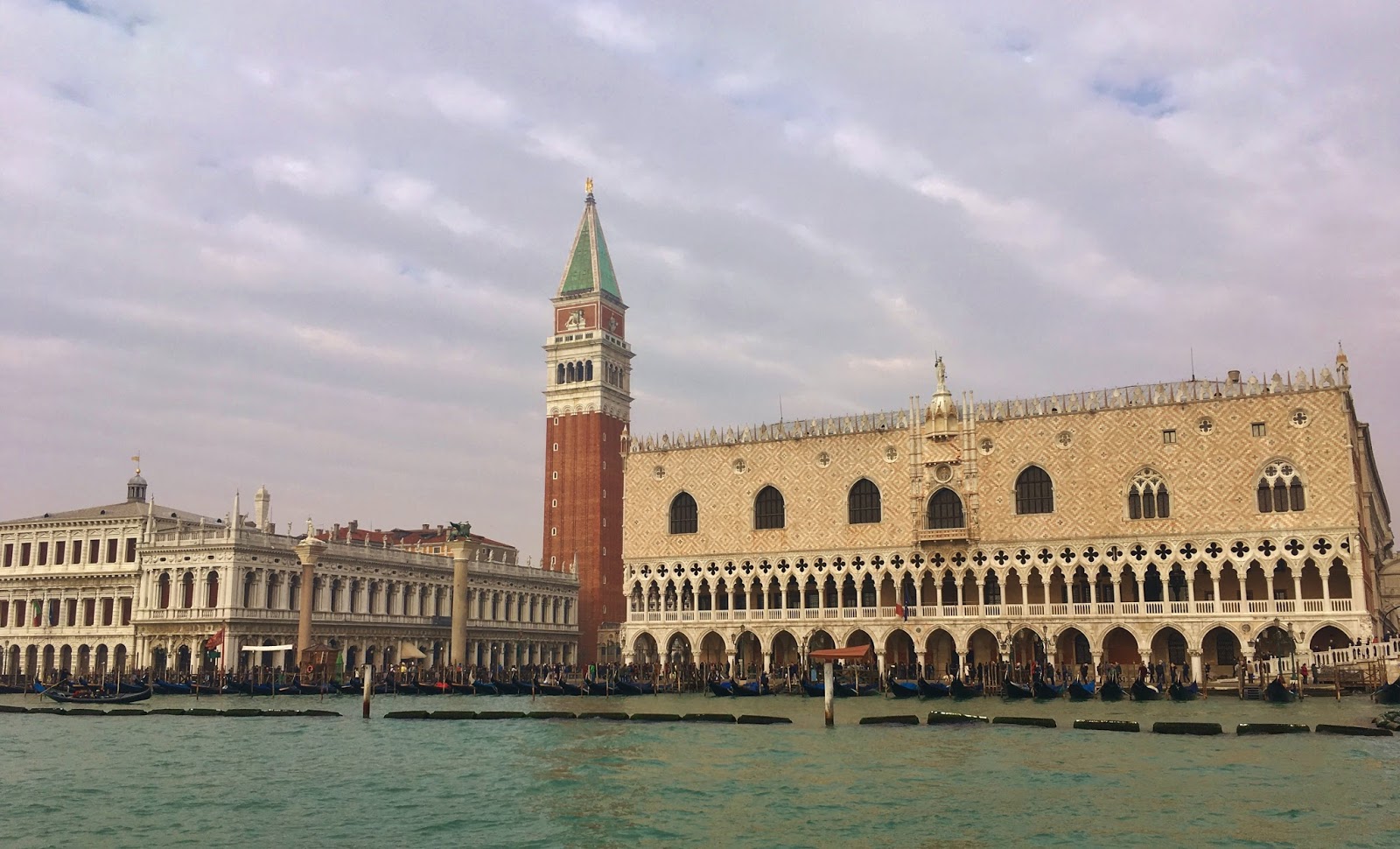
St. Marks Square from the Venice Lagoon, Venice, Italy
St. Marks From The Lagoon


How can one describe Venice without sounding like a million travel cliches?


Many people make the mistake of "DO-ing" Venice.  This kind of travel is the "tick-mark-next-to-the-bucket-list-item" travel to say you were there.  You can't DO Venice.  As a traveller, that just seems dirty.  The city of Venice plays Her cards close to her chest, and it takes time for you to get to know this noble city.   I would say I had an induction into Venice, where I slowly sank through all the layers of complexity that lies behind Her mask.


Trying to Get To The Little Red Pin


Venice is an island made up of a series of 118 small islands linked by 400 bridges.  There are no streets in Venice. Instead, Venetians use canals to navigate the city.  The city is connected to the mainland by a long causeway called the Ponte della Libertà built-in 1933 by Mussolini.  The causeway deadends once across the water, and there are two parking garages located there: Tronchetto and Piazzale Roma, where all the rental car agencies are located. 
TIP #1:  THERE IS AN EXTRA FEE FOR DROPPING OFF A RENTAL CAR IN VENICE.  Our company charged us $50 Canadian to drop off the car in Venice rather than in Mestre on the mainland.  This was fine for us since 1) it saved us at least an hour 2) we would be paying for 3 train or bus tickets into Venice from Mestre, so it worked out to be about the same cost in the end.


Crossing one of the brick bridges in Venice, Italy
Leaving Breadcrumbs To Find Our Way Home
"Part of the magic of Venice is getting lost."

Sure.  When you are not trying to find something or meet someone.  Like trying to get to our Airbnb in half an hour to reach our host.  No problem, we thought.  If we were looking at a map of Venice, we were at the mouth of the fish (Piazzale Roma), and we needed to go to the dorsal fin of the fish (Fondamenta Nuove).  Venice is only 3 square miles and only takes about 45 minutes to get from one end of the city to the other, so this should be no problem.  WRONG.  Venice is a literal maze of dead ends, secret courtyards, and odd little corners.   The buildings are sometimes so close together that two people cannot pass each other.  TIP #2: YOUR PHONE GPS WILL NOT HELP YOU!  The accuracy of your GPS sucks most of the time and the twists and turns just seem to confuse most apps.   My advice is to walk in the general direction you think you need to go in and check in with your GPS at every significant open space like a piazza.  You can ask a local for guidance, but they will usually tell you to "keep going straight." Just warning you now, so you don't throw your mobile into the canal.  Even Venetians get lost outside their own neighbourhoods!


The patched up brick palazzos of Venice Italy with a modern boat, Venice Italy
In A State Of Elegant Decay
Walking single file, we rolled our suitcases up, across and down the big Calatrava bridge that spans the Grand Canal. Past the super busy Santa Lucia train station and the main Vaporetto stop Ferrovia.  This area along the Grande Canal is glitzy and bustling with vendors in little kiosks selling cheap tourist trinkets.  Dozens of other tourists were dragging their suitcases along behind them as we were, trying to get them upstairs and over bridges and down the other side with their overpacked luggage.  TIP #3: PACK LIGHT GOING TO VENICE.  You will thank me after schlepping your bags over the 20th bridge you encounter.  I'm not kidding! Remember, there are 400 bridges in Venice, and they ALL have steps.
View of the Venice lagoon and the cemetary island, Venice Italy
The View From Our Airbnb Flat
We eventually found our way to our Airbnb flat, which was right outside the boat stop that heads out to other Islands in the lagoon such as Murano, Burano and the airport.  Our Airbnb flat was a great location and cheap, considering we had our own kitchen to cook our meals in.  TIP #4: TRY TO FIND LODGINGS IN A RESIDENTIAL NEIGHBOURHOOD RATHER THAN THE TOURIST HOTSPOTS. Not only will you save money, but you will see how the actual Venetians live.  We stayed in the Cannaregio neighbourhood, but Castello and Dorsoduro are charming neighbourhoods too.


Neighbourhood fruit and vegetable market in Venice, Italy
Fresh Fruit & Veg Market in Venice
"Venice is expensive, and the food is not very good."
Yes, Venice is more expensive than in other Italian cities.  Mainly because everything has to be brought into Venice by small boat and transferred by hand.  That being said, we paid about the same prices for meals in Venice as we did on the Amalfi Coast a few months earlier.  You are paying tourist prices in Venice, and most often, you are paying extra for a table with a view.  With so many foreign tourists "DO-ing" Venice in one day, restaurants don't have to have excellent quality because as a tourist, you will never be back. Restaurants in Venice know this, and they also know they can charge whatever they want.  In fact, many tourists that are in organized tours are only in Venice for 6 hours, and the Venetians call this type of tourism "bite and run."  There are MANY decently priced restaurants where the locals eat.  You just have to ask around or do a little research on the internet.
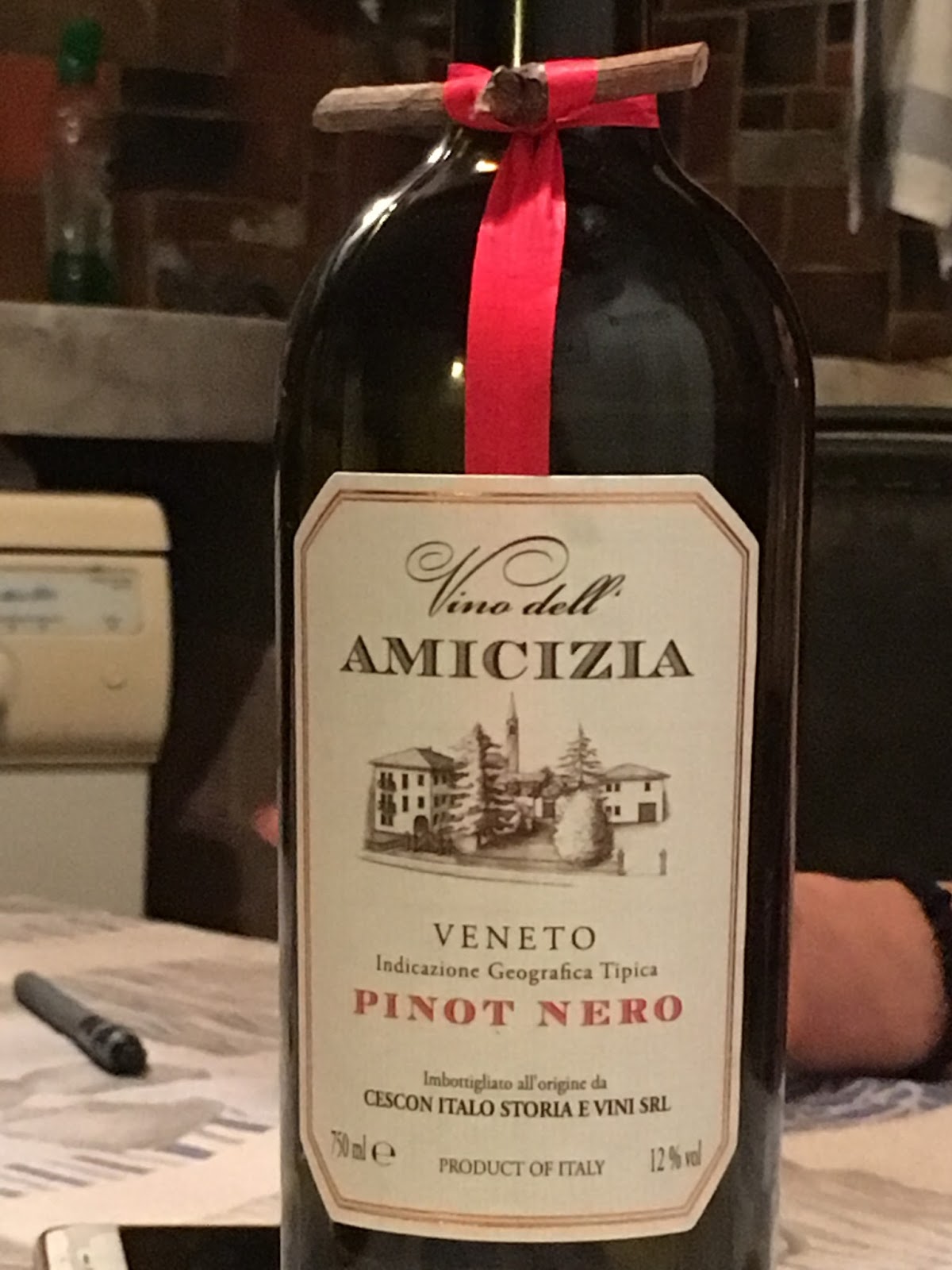
Local Venetian red table wine bought at the CoOp market, Venice, Italy

Settling into our little apartment overlooking the Venetian lagoon, we decided to run out and get some groceries.  We actually brought along some food from Riccione in a backpack so that we would have dinner supplies when we arrived in Venice. We also found this market just a few 100 meters from our flat.  There was also a Co-Op Super Market across the way that sold everything from wine to eggs.  The wine selection at the Co-Op is full of cheap yet decent local Veneto Wine-Oh, my happy liver!
 With our suitcases unpacked and our bellies now full, we stepped
out into the night to meet the real Venice.

The quiet back canals of Venice at night, Venice, Italy
The Quiet Back Canals of Venice

"Venetians savour the leisurely pace of life."


True. Nighttime in Venice belongs to the Venetians; their work is done, most of the tourists are gone back to the mainland, and the sidewalks become empty again.  If I could use one word to describe Venice, it would be DRAMAIt felt like you were walking through one big opera set and that with the rhythmic clicking of your heels on the stone beneath your feet, an orchestra would begin and costumed singers would appear on the balconies hanging over the canals.  Even the locals are dramatic. Locals dress with dramatic flair and carry themselves as if they were walking down a fashion runway.  Especially the little old ladies with their bright red hair, high heels and winter coat of leopard print faux fur.  Even listening to the Venetian dialect that floated around us sounded so rich and complex. The Venitian dialect is quite unintelligible to other Italians like our friend Giulia who only lived 2 hours south.

We were sinking into a world of romance and make-believe with every bridge we crossed.


Lit Christmas tree in Piazza San Marco Venice Italy
Christmas Tree in St. Marks Square
"Venice at Christmas is like a beautiful woman in a glamourous ballgown-you just can't stop staring at her"
After winding our way through alleys and crossing bridges that led to one magnificent vignette or another, we followed the yellow signs pointing "per San Marco---->" until we came to a gondola stop that seemed to be taking the last of the tourists out into the night.  We slipped under an arcaded passageway that opened up to one of Europe's most iconic squares, Piazza San Marco.  Lit up in all its glory, the centrepiece of the square is the Basilica of Saint Mark.  The Byzantine-style Basilica is punctuated by the Campanile or bell tower in front of it.   St Mark's is flanked by the  Renaissance style offices on the right (the 1500's), the Baroque style offices on the left (1600's), and behind you Napoleon's office wing (the 1800s) closing the square.  Standing in this gorgeous piazza watching the full moon rise over the gilded domes of St. Mark's was a highlight of arriving in Venice, especially since the square was almost empty!


Full Moon over Saint Mark's Basilica Venice, Italy
Full Moon Over St. Mark's Basilica


Devil's Forest Irish Pub in Venice Italy
After the excellent window shopping under the piazzas' arcades, which were softly illuminated by hundreds of glowing Christmas lights strung above our heads, we decided to stroll to the Rialto bridgeThe principal route between the two most famous sights in Venice is a trendy designer shopping street with Dolce and Gabbana, Prada, Versace and the rest. Tempting you with overly extravagant window displays, this lends to the dramatic atmosphere of Venice.  The Rialto Bridge at night was not as empty as Piazza San Marco. In fact, the Rialto Bridge was buzzing with tourists and locals alike enjoying shopping, restaurants and the many bars of this area.
We decided to pop into a  pub favoured by locals called the Devils Forest Pub for a drink.  Young, vibrant and FULL of Venetians; this Irish style pub seemed out of place in this elegant and aristocratic city. Classic rock blaring on the speakers, rugby on the TV and Irish beers on the taps we felt at home immediately, even though we were the only tourists in the place.  This is the real-deal Venice of today.
Back out into the soft glow of the night, we followed our "breadcrumbs," retracing our steps back to our Airbnb. I happily realize that I am truly and utterly enamoured with this floating city that really IS unlike any other in the world, and it is the beginning of a beautiful love affair with Venezia.

Did Venice live up to your imagination?  Let me know in the comments below!


Follow me on FACEBOOKINSTAGRAM  and  BLOGLOVIN'  for daily photos and updates! #slowtravel🐌

Saturday, June 23, 2018

What To Eat In Venice

What To Eat In Venice


Let's face it; Venice is known for its beautiful canals, outstanding architecture, and a dreamy atmosphere; not for its fantastic food!   Most visitors to Venice are unaware that the traditional Venetian cuisine that dates back centuries even exists.  Don't despair; there is typical Venetian food, and I will help you to eat like a local in Venice.   


Yes, there is A LOT of pizza in Venice, which is an authentic dish in the south of Italy.  Eating pizza in Venice is equivalent to having deep fried chicken in Canada; it's still a North American dish, but the origin of deep fried chicken is from the Southern USA, thousands of miles away and definitely not local.  With the average tourist coming into Venice off a cruise ship typically spending only 6-8 hours in Venice and the average tourist on an organized group bus tour just spending about 2 days in Venice,  many restaurants only put out tourist menus never expecting to have repeat customers.    Even so, there are 60,000 residents in Venice and their food and wine culture is alive and well...


What To Eat In Venice
Cicchetti 101

Cicchetti  Bar Culture

When thinking about authentic food in Venice, the first thing that comes to mind is "cicchetti."  Cicchetti ( pronounced chee-KET-ee) is a Venetian dialect word that refers to "a small bite" like tapas in Spain.    Cicchetti can be as simple as olives and cheese or more elaborate finger food. Asiago cheese comes from the Veneto region and is delicious with a small glass of local wine which is called an "ombre" in Venetian dialect. Another type of cicchetti is baguette or crostini topped bites of meat, egg, cheese or a roasted vegetable spread.  One other common cicchetti you must try are "polpette." Polpette are succulent meatballs that are breaded and deep-fried and served hot or cold.
There are dedicated cicchetti Bars called "Bacari" that are open from lunchtime to after the dinner hour (and some well into the night) offering reasonably priced drinks and finger foods to hungry Venetians.  For more information on Venice's cicchetti tradition and where to find them, check out my blog post on First Timer's Guide To Venice.


Seafood

The Venetian lagoon provides an abundance of seafood dishes to the floating city.  Grilled baby squid "seppioline all grillia", marinated anchovies "acciughe marinate", and the famous "sarde in saor" which is a dish of sardines in a "sweet & sour" sauce of vinegar and onions and served on crostini are all famous regional dishes that can be found in Osterias and Bacari in Venice.  You will find many Venetian dishes are pickled or in vinegar sauce because it was a method of food preservation for sailors during the middle ages.

What To Eat In Venice
Mixed Seafood Cone

For street food that has a sampling of all the lagoon has to offer, look for stands selling "Cono Pesce Frito Misto" which is a paper cone loaded with deep fried mixed seafood bits!  It's absolute heaven.  There is a famous one in the San Polo district of Venice, but we had some as a snack from a stand near the ferry dock on Burano.  The place was called Frito Misto and for under €6, we had a delicious and freshly caught mini-meal!


Another delicious Venetian specialty is "baccalà montecato" which is a light and fluffy cod dish.  This is often eaten as antipasti or appetizer and is dried cod that has been soaked, and then poached and blended with olive oil to create a smooth mousse.  It is usually served on slices of grilled polenta or as a side dish to your main meal.  It was my favourite dish in Venice.

Where's The Pasta?

In Venice pasta is NOT king.  In fact, pasta is more of a southern Italian dish.  In the north of Italy, rice is king, and the Veneto region grows rice for risotto as its staple grain.  There are many risotto dishes in Veneto Region, but the most traditional in Venice is "risotto al nero di seppia" which is rice cooked in squid ink.  The jet-black rice dish is prepared with onion and tomato and has a robust briny seafood flavour.  If you ever had squid-ink pasta, you can recall the taste and magnify it by 10!

Speaking of rice don't forget the classic "Risi e bisi"!  Not only is it fun to say, this rice and peas dish that is halfway between risotto and soup.  Traditionally eaten on St. Marks Day on April 25th when the Rialto Market is overflowing with stalls selling fresh peas.  This traditional dish has no fish yet a salty element is added with smoky Italian bacon called pancetta.  The sweet and crunchy freshly shelled peas give a nice contrast to the recipe.

What To Eat In Venice
Bigoli In Salsa
Another staple grain in Venice that you must try is polenta.  This is grain came over from the Americas after it was discovered in 1492 and by the mid-1500's polenta was a staple grain in the Veneto Region.  The white polenta from Veneto is eaten like bread with the evening meal, and cold or grilled and served with cheeses, honey or jam as breakfast or snacks the next day.

The last item that I recommend you try is a pasta made with buckwheat, rather than semolina flour that most pasta is made from.  Sometimes made with whole wheat instead of buckwheat (which is not actually a wheat at all) this pasta is called "bigoli" (or bigoi in dialect) these long, thick spaghetti shaped noodles are served in "salsa" or sauce with onions and salt-cured fish such as sardines or anchovies.  Traditionally, this dish used to be served on Holy Days like Good Friday or Christmas Eve when meat was not eaten, but now it is served as regular fare in local restaurants.


Desserts


What To Eat In Venice
Tiramisu
Tiramisu This is the great cake debate.  It is one of the most famous Italian desserts that became super popular in North America in the 1980's.  It was said to have been invented in Treviso in the 1960's, but there is much debate in the food world about that.  Tirame sù means "pick me up" in Venetian dialect and this coffee soaked cake, with chocolate and mascarpone cream, is the ultimate decadent dessert to sample in Venice.

There are also many cookies that are local Venetian delicacies, all you have to do is go into a bakery to see the variety that is offered.  Many of the recipes date back to the Middle Ages when the spice trade was established along the Silk Road.  For example, Pevarini cookies are made with black pepper and sweetened with molasses.  This recipe dates back to the 1400's when pepper was new on the spice scene.  For more on the cookies of the Venice area, I wrote a bit about it in my blog post on the neighbouring island of Burano which has a lot of unique cookie recipes that are specific to the tiny island.

What To Eat In Venice
Deep Fried Custard
I bet you haven't heard of these little, fried delights called "crema fritta."  This is custard that has been chilled until firm, cut into shapes, breaded and then deep-fried and sprinkled with icing sugar or cinnamon sugar.  Ahhhhhhhh!  Sweet and crunchy on the outside and soft and creamy in the middle.  This a type of street food that is usually served in the winter from Christmas to Carnevale.

Speaking of Carnevale another street sweet that appears before Lent is "Fritole."    Fritole are sweet pastry fritters made from a dough consisting of eggs, butter, milk and flour.  Then raisins and pine nuts are added for texture.  The mixture is formed into little balls and deep-fried and then rolled in sugar.  They are often washed down with prosecco, a local sweet sparkling wine.  On the subject of wine, Venice and the Veneto Region have so many unique wines and cocktails to offer that I want to tell you about, but I believe a separate blog post would be the only way to let you know about the fantastic varieties available to you.

There are so many more unique Venetian dishes that I have not mentioned here, and if you have a favourite that you tried, please let me know in the comments section below and Buon Appetito!

Follow me on FACEBOOKINSTAGRAM  and NEW BLOGLOVIN' for daily photos and updates! #slowtravel🐌


Saturday, May 19, 2018

First Timers Survival Guide To Venice


Venice is intense.  In the summer Venice can be hot, overcrowded and expensive.  In the winter, it can be bone-chillingly cold and flooded.  But Venice is also achingly beautiful, mysterious and dramatic; one of the most iconic cities of Italy.  Here are some tips I learned from my recent visit to Venice to hopefully make your first trip to Venice smooth & enjoyable.  


Venice has been a premier tourist destination because of its celebrated art and architecture. In recent years the onset of mass tourism, mainly due to cruise ships means that an estimated 60,000 people a day visit the city.  That is more than the population of Venice...in ONE day!  In 2017 an estimated 22-30 million people visited Venice.  With the average visit to Venice being about 6 hours that is a vast daily surge of people flooding in and out of the city; much like the tides.  In 2017 UNESCO was considering putting Venice on its endangered city list because of the irreversible environmental damage and overcrowding the number of tourists is creating for the city.  Venice is currently putting in a strategy to help create more sustainable tourism. As you can imagine, this mass tourism has caused inflated prices in Venice.  Yet there are still deals to be found, but you have to do your research well ahead of time.  The least crowded time to visit Venice is November through March with the exception of Carnival. Christmas is a beautiful time to visit with all the lights, and the end of March is milder weather yet relatively crowd-free.


Arrival in Venice  

The small Marco Polo Airport is on the mainland about 40 minutes-2 hours by boat to downtown Venice, depending on your stop.  It's fun to take the Alilaguna boats for €15 one way (or save money by buying round-trip €27) into downtown Venice.  In busy months the boats fill up quickly, so get to the dock early!  Select the boat stop in Venice to get you relatively close to your accommodations, which is important and I'll tell you why in a second.  Check the schedule at  www.alilaguna.it/en 


Alilaguna Boat Stop

The cheapest way from the airport into Venice is by the shuttle bus that drops you off at Piazzale Roma.  Now you will have to buy a water bus ticket or walk to your hotel or accommodations.  Both options are not easy when you have your luggage with you.  The water buses are PACKED with people and walking is slow and tedious over the cobbled streets and the bridges (which all have steps going UP AND DOWN).  There are 400 bridges in Venice, and walking anywhere you will be crossing at least 50 of them.  Now imagine that with your luggage!  Pack light, my friends.


If you arrive by car, note there is a rental car drop off for most major car rental companies at the large Piazzale Roma parking lot BUT you are charged an extra fee for dropping off on the island instead of the mainland.  The price was $50 Canadian for us.  This was fine for us since there were 3 of us in the car and it saved us time, money and hassle not having to take a train or bus across the causeway from Mestre on the mainland into Venice.  But we still had to schlepp our luggage through the streets to get to our apartment on the other side of Venice.  This is difficult if you have mobility challenges.

Accommodations:  

Mornings Outside Our Airbnb 
This is your most significant expense in Venice.  Budget hotels average about €150/night!  These prices may cause people to stay on the mainland where the big chain hotels are much cheaper.  DON'T do it.  You will miss the essence of Venice.  The most magical times in Venice are at night when the day trippers have gone, and the canals are lit by lamplight. Also, first thing in the mornings when the sun hits the brick buildings in Venice and no one in sight. 
I recommend Airbnb. We rented a 1 bedroom Airbnb flat with a sofa-bed that had a kitchen for less than a hotel room! We made our own meals, which saved us SO MUCH cash.  We also got to shop at the local CoOp grocery store with the Venetians.  Renting an Airbnb flat in residential neighbourhoods like Dorsoduro, Castello or in our neighbourhood of Cannaregio also gives you that feeling of being a temporary local rather than a tourist-which is why we travel, right?


Another option to consider is hostels and even convents.  They took the word youth out of hostel a loooong time ago, and it's not just a bunch of partying kids anymore.  Venice has some beautiful and unique hostels with private rooms to rent.  Check out www.hostelworld.com.  Convents and monasteries in Italy are another option for cheap accommodations.  You will be amazed at the beautiful former palazzos offering rooms to let. Check out the website: Bed and Blessings


Aqua Alta Sidewalks

Getting Around Venice 

You will be walking A LOT!  Bring great walking shoes and if you plan on visiting Venice in the winter plan on packing some rubber boots.  The "Aqua Alta" or high water in Venice strikes each winter and spring flooding the streets.  I have a pair of travel rubber boots called "TOUR" made by Hunter that roll up into next to nothing that packs into my carry on luggage.  Otherwise, there are raised platform sidewalks that the city erects for people to walk on, but this makes navigating the sidewalks so painfully slow!


Using your Phone GPS


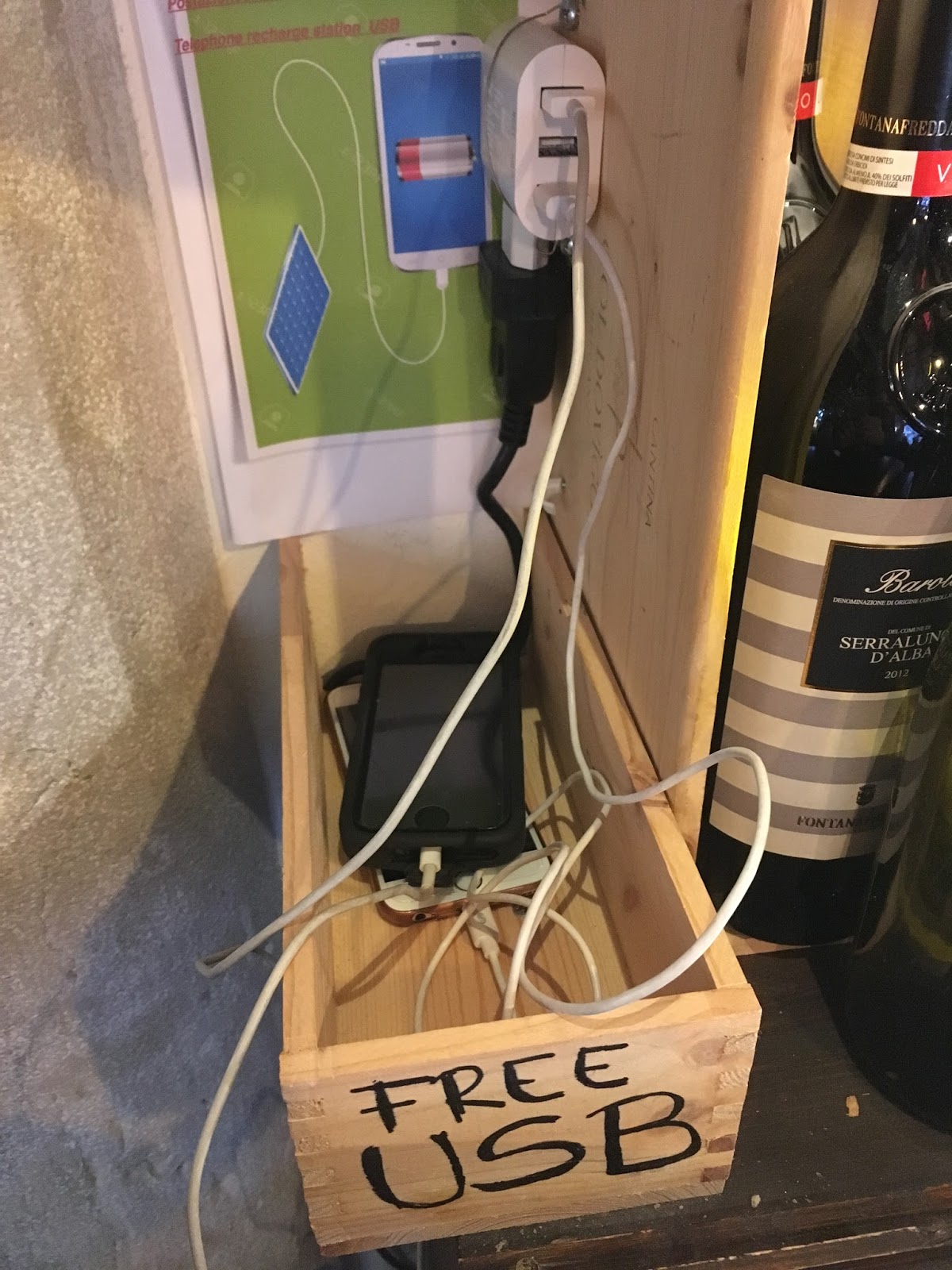
Learn the phrase "Dov'è...?"  meaning "where is...?" in Italian.  You are going to get lost A LOT.  You think you can use your phone's GPS to help you?  Wrong!  The buildings are far too dense for your 21st-century witchcraft phone to give you an accurate reading.   Your phone battery will be dead by the time you have successfully navigated the streets.  My advice: walk in the direction you think you need to go in, and then check your phone GPS at every significant piazza where you can pick up a good signal.  If your phone dies, go into a bar (a cafe) and order a coffee and often there is a free phone charging port for us poor lost tourists to use.  Always carry your phone's charger with you in your purse or pocket.


Cruising The Grand Canal By Vaporetto


Ride the Vaporetto!  This is Venice's version of a city bus.   A single ride ticket is €7 for 1 hour in one direction.  Instead, get the €20 one day pass valid for 24 hours, you can cruise up and down the grand canal and out to all the islands in the lagoon for one price.  Don't forget to cruise up and down the Grand Canal at night when the architecture is lit up so beautifully!


Venice  Gondolas At Your Service!


Of course, you need a gondola ride when you are in Venice!  It's straightforward to arrange, and the prices are posted at all the gondola stations in Venice.  See my Gondola Tour Do's and Don't for fast facts or A Gondola Ride In Venice for more history on this traditional Venetian mode of transport.


If you skip the Gondola ride, a quicker and cheaper (yet authentic) version of the gondola is the"traghetto."  This is a long empty gondola with 2 oarsmen that take you across the Grand Canal where there is no bridge.  There used to be 7 Traghetti crossings along the Grand Canal until 2017 when the city of Venice reduced the number to 3.  It costs €2 Euros to ride a traghetto and crossing the Grand canal standing up like the Venetians is a memorable experience.


Eating in Venice  

Eating out in Venice is quite expensive.  We bought most of our food at the local market in our neighbourhood and avoided the crowded markets at the Rialto Bridge.  We also went to a local bakery to pick up our bread and treats.  Now if you want a one-stop shop look for a local CoOp, which is the grocery store chain in Venice.  There are seven of them, and they have everything you need from simple pharmacy items to cheese & wine.

Marzipan Heaven

Neighbourhood Market 
Neighbourhood Bakery


Cichetalda Of Cicchetti


If you want a traditional meal out at lunch or early evening try Cicchetti!  Cicchetti (Chee-KET-tee) are like Venetian tapas or finger foods.  Cicchetti are usually eaten during the lunch hour or the aperitivo hour (from 5-8 pm) in "bacari" which are cicchetti bars.  The secret about eating Cicchetti properly is that they must accompany a drink, like a small glass of wine which is called "un ombra" or a Spritz which is a cocktail made with sparkling white wine and Aperol.  Cicchetti can come in the form of crostini with select toppings, fried foods on toothpicks or simple olives and cheese.  A mixed platter is called a "cichetalda," and Venetians usually consume their cicchetti & ombra standing up at the bar or hanging around outside. It's a very social scene.
There is a group of traditional cicchetti bars on the West side of the Rialto bridge about 2 blocks inland from the Fish Market on Sotoportgo dei Do Mori.  Remember, in Italy, you pay about 20-40% more if you sit at a table rather than stand at the bar to eat or drink.  For more budget tips on eating in Venice check out my blog post.


If you want a dinner out on the town, then you have so many restaurants to choose from.  I always look for a traditional Trattoria full of locals when selecting a place to eat.  This is kind of hard in Venice though, as restaurants can't survive on locals alone anymore.  You may want to do a bit of research here to find an authentic place to dine. Ca D'Oro alla Vedova in the Cannereggio district was our choice for a nice dinner out.   Alla Vedova is a very traditional bacari and restaurant that has been serving up its famous "polpette" (which are Venetian meatballs) since 1855.  They also serve up a great selection of Venetian specific dishes like baccala Montecato; which is the most delicious creamed dried cod.

TIP: THE TAP WATER IN VENICE IS REALLY GOOD! BRING YOUR WATER BOTTLE AND FILL IT AT THE PUBLIC FOUNTAINS AROUND THE CITY.


Sightseeing


Off-Season Line-Up For The Doge's Palace

The city of Venice itself is the main sight, with every turn of a corner being an Instagram worthy photo op.  Venice does have many Palaces, Galleries and Churches that are not to be missed. Unlike Florence or Rome, you can not purchase tickets in advance to the top sights. Here are my top suggestions: The Doges Palace, Saint Mark's Basilica, Academia Gallery, Correr Museum, Frari Church and The Peggy Guggenheim Collection if you like modern art.  There are money-saving museum passes like VENICE MUSEUM PASS that not only saves you $$, but saves you time in lineups, but none that covers the Accademia, Guggenheim or the museums in San Marco Basilica.  See my blog post on budget tricks for Venice on this subject, including how to skip the line to get into the Doge's Palace.  Just remember; the earlier you go to an attraction the fewer crowds there are, and the less time you spend in a line.

Most of the Churches are free to enter; just remember there is a NO bare shoulders and NO bare knees dress code that is enforced-even with children.
TIP: ALWAYS CARRY A LARGE LIGHTWEIGHT SCARF IN YOUR PURSE OR BACKPACK SO YOU CAN COVER YOURSELF UP TO ENTER A CHURCH.

There are so many famous sights in Venice that are free; that even on a  super tight budget you can enjoy ample sightseeing even if you don't step foot into one museum.  Here are some favourites: Rialto Bridge, The Bridge of Sighs, Piazza San Marco, Basilica of San Marco, The Fish Market and The Produce Market.  Some really cool neighbourhoods to explore are The Jewish Ghetto near the Ferrovia Train Station and the Sant' Elena neighbourhood at the very end of the Castello District.
The Venetian lagoon also offers many day trips from the city: Murano, Burano, Torcello, Lido Beach, San Michele cemetery, San Giorgio and Giudecca-all serviced by your Vaporetto pass, so make sure you grab a 24 or even 48-hour ticket. Don't forget to put that Vaporetto pass to good use by taking a cruise up & down the Grand Canal.


Souvenirs


There are those who love to shop and those who despise it.  I think it is nice to bring back a few mementos from your journey, either for yourself or as gifts for loved ones back home; but I am really picky about what I take home.  Most of the tourist shops and street vendor stalls in Venice sell items that are made in China (sometimes not even at low prices).  I really don't like supporting this, I want to pay an artist for their hard work and talent.  I research what the traditional crafts are in the region I will be visiting, and where to purchase them from a reputable shop.   Usually, I  buy only one quality item to bring home, rather than 20 cheap tourist trinkets.

  • Venice is known for some particular artistic traditions such as glass, lace and masks.  You can get some nice small Venetian glass beads or wine stoppers directly from the artist in small shops like the one pictured here on the island of Burano.  
  • Another craft that is disappearing, is handmade lace.  Venetian lace is beautiful, but Burano lace is exquisite.  Burano lace is costly, and there are many tourist rip-off shops on Burano selling cheap lace knockoffs.  See my Venice side trip to Burano post for recommendations on where to buy authentic handmade lace. 
  • Metal Masks With Bling
  • Masks are synonymous with Venice.  There are a lot of cheap plastic masks for sale along the tourist corridors, but there are some serious shops selling traditional style paper-mȃché masks for Venice Carnevale. Try Ca' Del Sol or Tragicomica as two examples.  Paper-mȃché masks are rather difficult to transport home, but we found some beautiful masks made of leather or metal that were very beautiful and less delicate.
  • Venetian Coffee is also a nice treat to bring home as gifts.  We brought 2 pounds of Cafe Del Doge coffee home with us from Venice. Every day we were transported back to Venice when we took a sip of our morning joe.


I hope these tips have been helpful for planning your first trip to the magical city of Venice.  If you have any tips for folks visiting Venice for the first time, please leave them in the comments below.


Follow me on FACEBOOKINSTAGRAM  and NEW BLOGLOVIN' for daily photos and updates! #slowtravel🐌

Wednesday, May 9, 2018

12 Budget Tricks For Venice!


Venice has been one of Europe's top 10 most expensive destinations for over a decade now.  That doesn't mean you should not visit Venice because it is overpriced or out of your budget; it just says you have to be SMARTER when visiting Venice and learn some of these little tricks and tips that will save you $!


Venice On A January Morning


WHEN TO VISIT

This is more of advice rather than a tip. Summer in Venice can be sweltering, and with all that water surrounding the city, you can imagine how humid it gets.  Add the cruise ships hoards to the mix, and you have one hot and crowded mess!  I would try to avoid Venice in the summer if at all possible.  I know some of you are at the mercy of school schedules or the type of work that you do, but consider taking a Christmas break or Spring break in Venice-not that cold and NO crowds!  The tourist season is usually April-October, with the exception of Carnivale in Feb.  But even during Carnivale, Venice is not as crazy busy as the peak of summer cruise ship season.  We were in Venice at the beginning of January, and it was magical with all the Christmas lights on.  The Christmas season in Italy is usually December 6th- January 6th.  Yes, the hours for the tourist sites may be reduced somewhat, but everything is open. The exception is churches that hold special religious celebrations at certain holiday times and closed to tourists.


 ACCOMMODATION: 

Of course, building space in Venice is limited which makes hotel prices higher than other cities.  The average stay in Venice for North Americans is 2.1 nights, which is a high turn over to a town with so much to offer tourists.  So with limited hotel rooms, why is Venice so overcrowded?  Cruise ships. Cruise ships which are giant floating hotels injecting 60,000 people per day (more than the population of Venice itself) that do not need accommodations.  They stay in Venice for about 6 hours then get back on their ship.   TIP: DO NOT MAKE THE MISTAKE OF STAYING ON THE MAINLAND TO SAVE MONEY.  You will spend your time and money on the commute into Venice, and miss the best time to see Venice...when all the day trippers have gone home!

TIP: EITHER PACK LIGHT OR  GET A PLACE NEAR A VAPORETTO STOP; SCHLEPPING YOUR LUGGAGE ACROSS VENICE'S 400 BRIDGES IS A REAL...DRAG! 😉 

1. Hostels - They removed the word "youth" from hostels years ago.  There are hostels with private rooms, luxury hostels, and hostels usually include free breakfast.  You will be shocked at what you find at hostelworld.com

2. Monastery/Convents So in Italy a great alternative to hostels are convents & monasteries.  They open their doors to tourists to help pay for the maintenance of the historic buildings they occupy (because the Vatican won't pick up the bill).  There are some really gorgeous convents in Venice, and some provide breakfast.  Just be mindful some convents & monasteries have curfews so read the fine print.  Check out monasterystays.com -but shhhhh...silencio...don't tell anyone...this is my secret weapon!

Our Little AirBnB flat With A Kitchen 


3. Airbnb/ VBRO this is a bit controversial in Venice right now, as well as other cities across Italy and the word.  Airbnb takes up many apartments that could be rented out to locals, but landlords make more money with Airbnb (and don't necessarily report the income to the government).  Affordable housing is a real problem for Venetians.  Until the city government sorts it out-DO IT!  Get a place with a kitchen so you can save money by cooking at home.  This is our preferred method of accommodation because we can live like locals, save some $ and be more environmentally friendly than staying at a hotel.


4. Stay In Residential Neighbourhoods this is a budget tip in any city, but especially Venice since it is so compact.  There are seven districts in Venice, find out which ones are the touristy ones and avoid them. Try staying in the Dorsoduro, Castello or our favourite the Cannaregio district.  Just make sure you find a place near a boat stop, so you don't have to haul your luggage long ways; especially if you have any mobility challenges.

TRANSPORTATION:

5. Cars in Venice? Obviously, a car in Venice would be useless. If you are driving around Italy and want to stay in Venice for a few days, you can cross the causeway and park your rental car in one of the two public parkades.  The Tronchetto parking lot, it is a bit cheaper than the Piazzale Roma lot.  It costs about €21/24 hours.  It would be much less expensive to park your car on the mainland at the Mestre train station and take the train or bus into downtown Venice.
If you are trying to get around Italy on a budget and you would like to have cheaper options to trains and busses try Bla Bla Car.  This is a vast ridesharing community in Europe that is catching on fast all over the world.  You just need to have a mobile phone that works in Europe.  I can't wait for Bla Bla Car to arrive in Canada.  Check out https://www.blablacar.com

Vaporetto Station Fondemente Nova
6. Vaporetto The Vaporetto is basically like a city bus that cruises up & down the Grand Canal, around the outside of Venice and to the various surrounding islands.  This is how the locals commute around Venice.  One pass is €7 and is valid for one hour in one direction.  You are much better off getting a one day pass for  €20 which last 24 hours unlimited riding.  If you plan carefully, you can do all your cruising over a two day period.  No need for a Grand Canal tour! Vaporetto line #1 cruises slowly up and down the Grand Canal all day hitting all the stops along the way. Line # 2 is the Grand Canal express route and does not stop at all Vaporetto stations.   No need to pay for a lagoon tour! You can take a cruise yourself on Vaporetto line 12 and visit the Islands of Burano, Murano and Torcello in one day!  Check out my blog on taking the Vaporetto to Burano for more information.


Traghetto Station
7. Traghetto A gondola tour is a costly tourist activity.  To me, the €80 splurge was worth it; check out my blog post "Gondola 101" for all you need to know about hiring a gondola.  If you are limited on time or money, then I would opt for a  €2 "traghetto" ride.  A tragetto is a really big gondola you ride standing up.  Two oarsmen take you across the Grand Canal in busy locations where there is no bridge for pedestrians. TIP: I would just forget about a water taxi to get around Venice; it's way too expensive! €15 for a pick-up and then €2/ min plus luggage fees Etc.  


FOOD

Many people have said to me the food in Venice is not very good and it is expensive.  Unfortunately, this is the case for many restaurants that cater to the tourist masses from the cruise ships.  Restaurants can't survive on locals alone anymore, and they know that tourists spend only about 4-24 hours in Venice and will pay the high prices listed on the menu.  With all produce having to be shipped in and rent incredibly high, going out for a meal is costly. Here are a few tips to help ease the pain.


Cicchetti 101


8. Cicchetti  (pronounced chick-ket-ti) are traditional Venetian finger foods that are served along with a drink like a Spritz or a glass of wine.  This can be anything from crostini to cheese & olives to seafood appetizers.  You can usually get a mixed assortment for €8-€10, and they are displayed behind glass at the bar.  It's a great build a meal option. Just remember, if you sit at a table rather than stand at the bar you will be paying 20-40% more.  This applies to espresso at a (coffee) bar as well.  Speaking of bars, many coffee bars have hot panini sandwiches or cold tramenzzini sandwiches for snacks.  Pizza by the slice is a good option too, and it is sold by the weight-100grams is roughly a small slice of pizza.


CoOp Olives!


9. Picnic  The CoOp is a grocery store chain in Venice, and there are seven stores throughout Venice.  This is where the locals shop for food and where you should pick up your staples for your self-catering accommodations.  This is also a great place to pick up picnic supplies. Now I don't recommend sitting on the steps of a bridge or in a piazza and spread out a blanket!  Picnics are technically prohibited in Venice.  I am saying get some fruit, sandwiches and crackers and sit somewhere discrete out of the tourist zone.  
Water Fountain On Burano


The drinking water in Venice is excellent!
TIP:  USE A REFILLABLE WATER BOTTLE AND FILL UP AT A PUBLIC WATER TAP.    The water for Venice is piped in from the Italian Alps 200km or so away.  We filled up our water bottles at our Airbnb in the morning and then refilled at every piazza we found a fountain tap at.


SIGHTSEEING

Venice's most magnificent sight is the city itself, and your sightseeing can just be walking around Piazza San Marco, the Rialto Bridge or the back streets of Venice's neighbourhoods and discovering hidden gems and Insta-worthy photo ops.  But there are some world-class sights that you should try not to miss no matter how tight a budget you are on.  My top 4 sites (in order) are the Doge's Palace, St. Mark's Basilica, Accademia and the Correr Museum.

Doge's Palace
10. Combo PASS When you buy a ticket to the Doge's Palace it also includes entry to the Correr Museum in Piazza San Marco.  I would recommend you purchase your ticket at the Correr Museum where the ticket line is shorter, and then head straight over to the Doges' Palace and skip the ticket queue there. Here's a blog post on touring the Doge's Palace.  There are other combo-passes available for museums that you can buy to save you a bit of money but, not one that covers all museums or churches.  If you have the time/interest to see many of Venice's museums, I would recommend the MUSEUM PASS €24 that covers the two museums mentioned above plus Ca' Rezzonico (museum of 18th century Venice)  a handful of other smaller museums.


11. Concession Discounts  Student and seniors discounts are available at some museums including the Doge's Palace and the Correr Museum.  It never hurts to ask if there is a concession price, and always bring your ID.

Copies Of The Bronze Horses On St, Marks

12. St. Marks Basilica is FREE!  The lines here are always long so you can pay €2 to reserve a ticket and skip the line www.venetoinside.com. The time to visit is between 11:30-12:30 when the mosaics on the ceiling are all brilliantly floodlit.  There are a few museums inside San Marco that cost extra to enter.  I would go to the San Marco Museum (€5 entry fee) where you can go upstairs and have the most fantastic view of the domed ceiling mosaics.  You can also go outside to the balcony overlooking Piazza San Marco and see the original Bronze Horses that graced the top of the Basilica for centuries.  Remember: THERE IS A STRICTLY ENFORCED DRESS CODE OF NO BARE KNEES OR SHOULDERS IN THE BASILICA. THIS INCLUDES YOUR KIDS!  

BONUS TIP (or tip 13): THE ACCADEMIA (OR ANY OTHER STATE RUN MUSEUM IN ITALY) IS FREE ON THE LAST SUNDAY OF EACH MONTH.  This also means long line-ups the last Sunday of each month; so go first thing in the morning before the museum opens to beat the queue.  This museum is Venice's top art museum showcasing Venetian masters and worth the €9 entry fee.


Friends, I know Venice is a pricey city.  But visiting Venice is entirely worth the extra cost to travel here and become immersed in this unusual and historic city.  I hope you find the tips👆 above useful!

If you have some money-saving tips for other readers, please let them know in the comments section below.


Follow me on FACEBOOK , INSTAGRAM  and NEW BLOGLOVIN' for daily photos! #slowtravel🐌


<a href="https://www.bloglovin.com/blog/19457553/?claim=3npgtcmy77k">Follow my blog with Bloglovin</a>